

The Official Royal Portrait
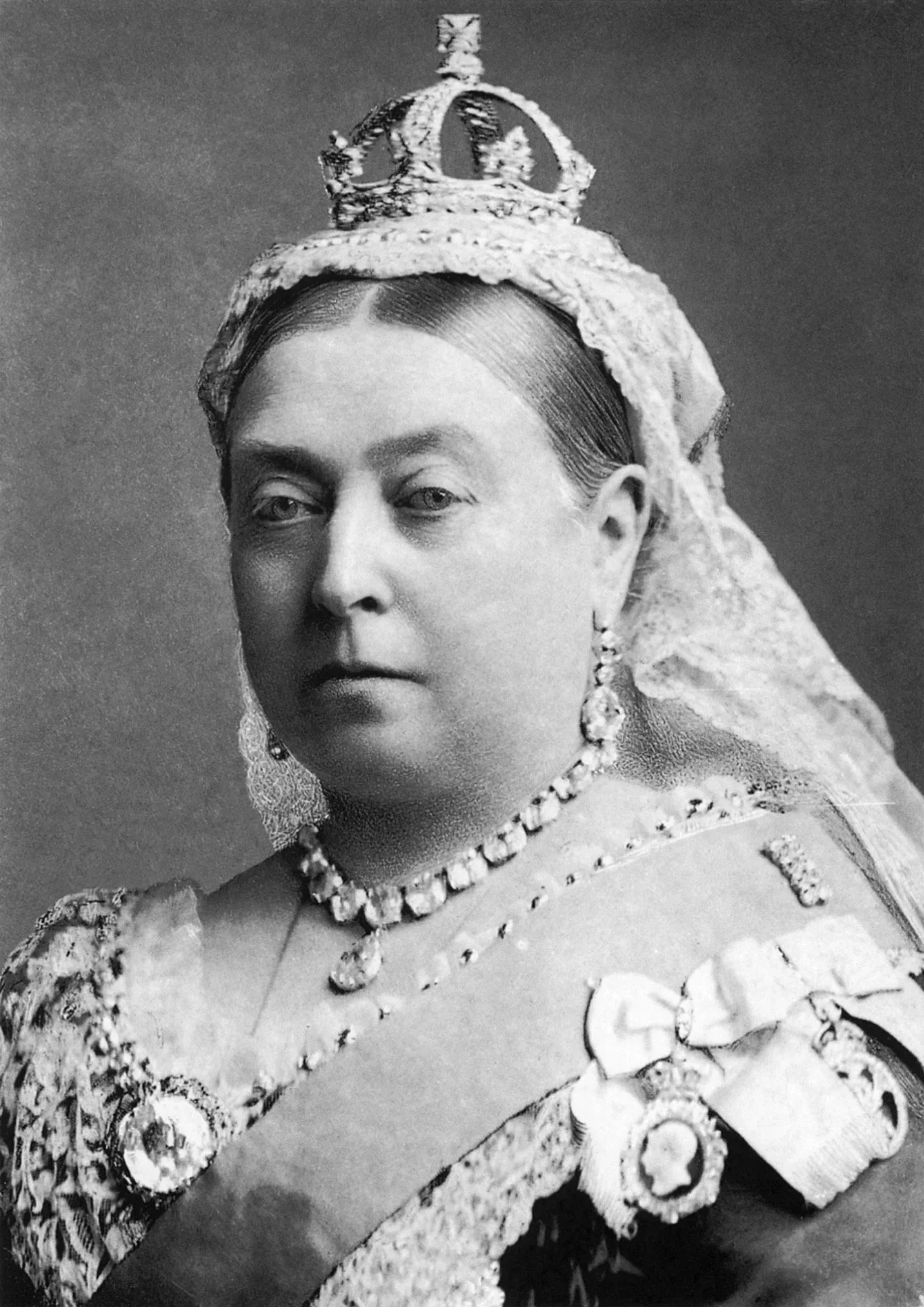
Queen Victoria (1819-1901)
Official Royal Portrait of the Australian Royalist Society
The Australian Royalist Society has formally adopted a historical portrait of Her Majesty Queen Victoria as its Official Royal Portrait, serving as a permanent symbol of the Crown's continuity, Australia's royal heritage and the enduring constitutional institutions of the Commonwealth.
Queen Victoria occupies a distinguished place in Australian constitutional history. As the reigning Sovereign at the time of Federation, Her Majesty granted Royal Assent to the Commonwealth of Australia Constitution Act 1900 on 9 July 1900, establishing the legislative foundations upon which the Commonwealth of Australia came into existence on 1 January 1901.
The selection of Queen Victoria is both deliberate and symbolic. While the Society recognises and supports His Majesty King Charles III as Australia's reigning Sovereign, our commitment to the Crown extends beyond any individual monarch or reign. The Crown represents an enduring constitutional institution whose history, traditions and significance have developed across generations.
Accordingly, Queen Victoria's portrait has been adopted not merely as a representation of a former Sovereign, but as a historical personification of the continuity of the Crown and the royal heritage from which modern Australia emerged.
The portrait holds a permanent place within Royalist House, the administrative headquarters of the Australian Royalist Society, and is designated for display during official addresses and announcements delivered by the Royalist-General.
Through this tradition, the Society affirms its commitment to preserving, studying and celebrating the history, heritage and institutions of the Crown, while recognising their continuing place in contemporary Australia.
The designation of the Official Royal Portrait is an internal ceremonial recognition of the Australian Royalist Society and does not imply appointment, endorsement or recognition by the Royal Household.